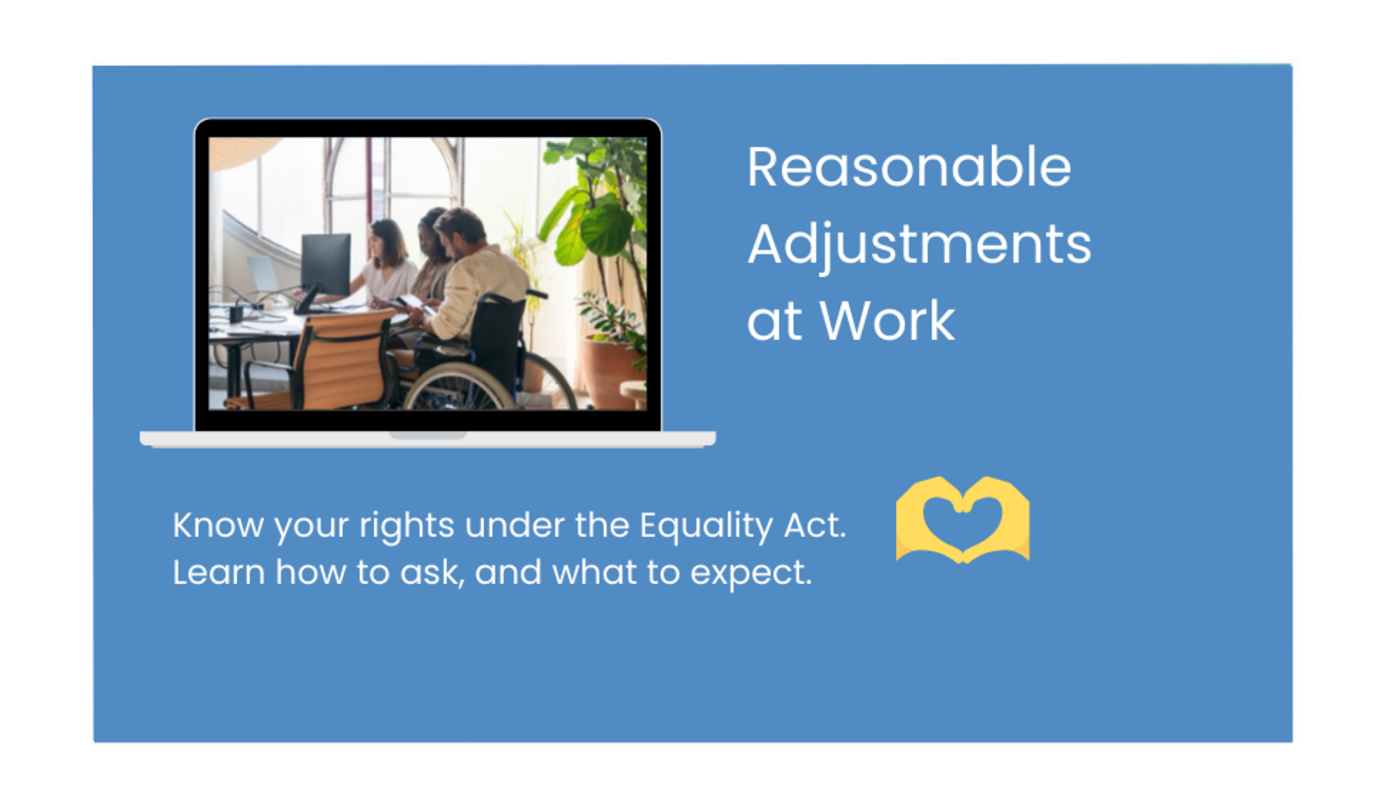
How to ask for reasonable adjustments
If you have a pre-existing condition or develop one during your employment, it's essential to know how to ask for reasonable adjustments at work. This guide will walk you through everything you need to know, from understanding your rights to practical tips on how to make the request.
➡️ Download this guide as a PDF ⬅️
What are reasonable adjustments? 🤔
Reasonable adjustments are changes or accommodations made by an employer to ensure that employees with disabilities or long-term health conditions can work effectively and comfortably. These adjustments are a legal right under the Equality Act 2010, which means that employers are legally required to grant reasonable requests.
The goal is to remove or reduce any disadvantages you might face in the workplace due to your condition. Remember, the term "reasonable" means that the adjustment should be practical for the employer to implement without causing excessive disruption. Factors like the size of the company, the nature of your role, and the cost of the adjustments will influence what is deemed reasonable.
Examples of reasonable adjustments:
🪑 Physical adjustments:
Providing ergonomic furniture, installing ramps, or adjusting lighting.
👧 Flexible working arrangements:
Allowing part-time hours, job-sharing, or work-from-home options.
🖇️ Modified duties:
Changing specific job tasks that are difficult for you due to your condition.
💻 Assistive technology:
Supplying screen readers, speech recognition software, or other tools to help you perform your job.
🤗 Additional support:
Offering extra training, mentoring, or providing a support worker.

Your rights under the law 🧑⚖️
In the UK, your right to reasonable adjustments is protected by the Equality Act 2010. This law covers all employers, regardless of size, and applies from the recruitment process through to employment. Here's what you need to know:
✅ You are protected from discrimination
Employers cannot treat you unfavourably because of your condition. This includes recruitment, promotion, training, and dismissal.
✅ Reasonable adjustments must be considered
If you request an adjustment, your employer must consider it. They should discuss it with you and, if reasonable, implement it.
✅ Confidentiality
Your condition is your private information. You don’t have to disclose it, but sharing this information can help your employer understand your needs better.
How to ask for reasonable adjustments ✋
Requesting reasonable adjustments might feel daunting, but it doesn't have to be. Here’s a step-by-step guide to help you:
💭 Understand your needs
Think about what adjustments would help you perform your job effectively. Reflect on the challenges you face and how they can be alleviated.
ℹ️ Gather information
Collect any medical evidence or reports that support your request. This could include a letter from your doctor, occupational health assessments, or recommendations from specialists.
🎒 Prepare for the conversation
Decide who to talk to – typically, this would be your line manager or HR department. You might want to bring along someone from your union or a trusted colleague for support if you feel it’s necessary.
👩🏫 Be clear and specific
Explain your condition and how it affects your work. Describe the adjustments you think would help and why they are necessary.
For example: “I have [condition], which makes it difficult for me to [specific task]. I believe that [adjustment] would help me manage this better and improve my productivity.”
👍 Suggest solutions
Employers appreciate it when you come with ideas. Offer practical suggestions on what adjustments could be made. This shows that you’ve thought it through and are focused on finding a solution that works for both you and the company.
👋 Follow up
If you don’t get an immediate response, it’s okay to follow up. You can ask for a timeline on when the decision will be made and what the next steps are.

Tips for success 🙌
📝 Keep a record
Document your request and any discussions you have. This will be useful if you need to refer back to it later.
🐙 Be flexible
While it’s important to ask for what you need, be open to alternative solutions that might also work.
🛟 Know when to seek help
If your employer refuses to make reasonable adjustments or you face discrimination, you can seek advice from organisations like Acas, Citizens Advice, or your trade union.
Where to get more help 🤲
👉 Acas:
Provides free and impartial advice on workplace rights, including reasonable adjustments.
Offers guidance on your rights and can help if you feel you’ve been treated unfairly.
👉 Equality Advisory & Support Service (EASS):
Supports individuals experiencing discrimination, including issues around reasonable adjustments.
At Diversifying.io, we believe that everyone deserves an equal opportunity to thrive in their career. Asking for reasonable adjustments is an important step in ensuring that your workplace is accessible and supportive. Remember, you have the right to work in an environment where you can perform your best, and reasonable adjustments are a vital part of making that possible.
If you’re unsure about anything, don’t hesitate to seek advice or support. Your well-being and success at work are worth it!
Need more support with your job search? 💛
👉 Download this guide as a PDF and check out our other guides
👉 Follow Diversifying.io on Instagram
👉 Sign up to our job seeker support emails
